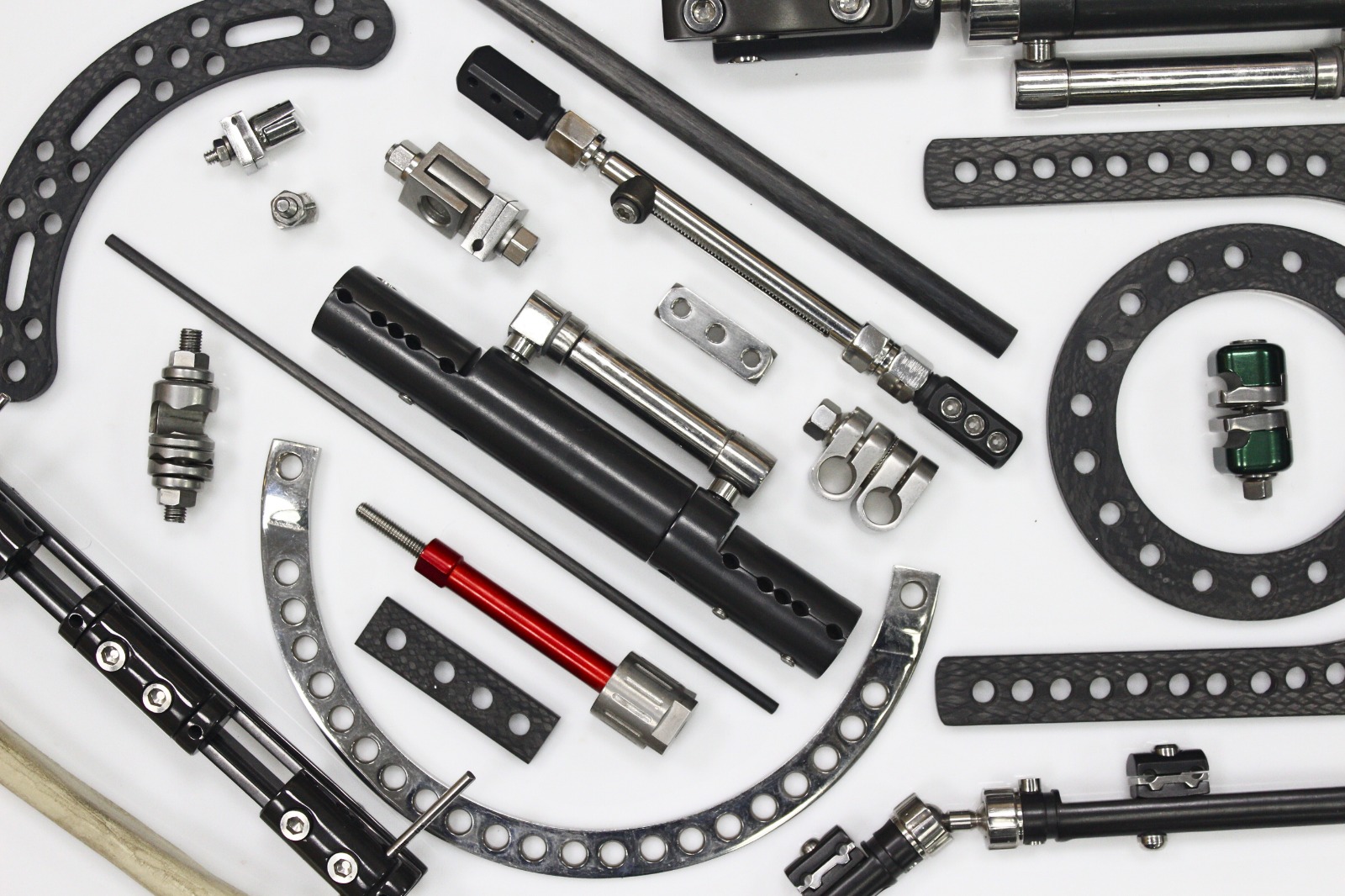

How To Prepare Your Self For Surgery Like Orthopedic Surgery, Dental Surgery, Plastic
Surgery preparation may also appear overwhelming however bit forethought can help ensure a continuing manner. Whether or not you're having plastic surgical procedure orthodontic surgical procedure or dental paintings it’s crucial to put together both bodily and mentally. It’s no longer handiest about the system it’s additionally about the way you put together yourself for healing within the destiny. Being proactive will help you loosen up and get your frame geared up for the destiny.
Being aware about the different sorts of surgeries can help to demystify the manner and ease tension. Every kind has specific factors to remember which makes planning even greater essential. That will help you get via this difficult time with confidence this blog will stroll you via everything from intellectual coaching to post- surgical procedure domestic changes. Now allows speak how to get geared up on your imminent surgical procedure.
Understanding The Different Types Of Surgeries (Orthopedic, Dental, Plastic)
There are numerous sorts of surgeries every with an awesome feature and manner of treating specific scientific problems. The musculoskeletal gadget is the point of interest of orthopedic surgical operation. It addresses problems relating muscle tissues joints and bones.Orthopedic procedures seek to relieve pain and restore mobility whether they involve hip replacement or fracture repair. Dental surgery includes a variety of procedures that address problems with oral health.
Tooth extractions implants and corrective jaw surgeries are examples of this. Its main objective is to maintain the functionality and appearance of teeth. Although plastic surgery can concentrate on cosmetic improvements it frequently uses reconstructive techniques. Patients may seek these procedures to correct congenital or injury-related deformities or for aesthetic purposes. Every sort of surgery necessitates precise arrangements depending on the needs and preferred results of the affected person and the general practitioner.
Importance Of Getting Ready For Surgery
For the procedure to go well preparation is essential. Recovery time and normal results can be substantially impacted through proper preparation. A key component is physical preparedness. A healthy body is often better able to handle the strain of surgery which results in fewer complications. Additionally it is necessary to promote post-procedure healing.
It is impossible to underestimate mental preparation. Being aware of what to anticipate reduces anxiety and boosts self-esteem. Being psychologically prepared has a positive impact on your surgical experience. It’s also critical to understand post-surgery care. It will be easier to transition home if you are familiar with the instructions provided by your healthcare provider. Aside from improving your health taking the time to prepare gives you a sense of control over the circumstance and empowers you all along the way.
Maintaining A Healthy Diet
Prior to surgical treatment ingesting a balanced weight loss plan is important for recuperation. It gives your frame the nourishment it needs to get better successfully. Make the effort to include a number complete grains lean meats give up end result and greens for your meals.
Staying hydrated is likewise essential. All through this essential length ingesting plenty of water keeps your body hydrated and lets in it to perform at its nice. Processed ingredients and too much sugar can weaken your immune gadget. Incorporating anti-inflammatory ingredients which includes nuts fatty fish and berries can help alleviate any discomfort or swelling that can occur prior to surgery.
Your physician can offer you with customized steering when you have any specific dietary regulations or scientific situations. Keeping a meals journal can also be empowering. Keeping a meals journal prior to your procedure promotes more healthy selections and facilitates you spot traits. During this journey every tiny step toward improved nutrition makes a big difference in overall wellbeing.
Preparing Your Home For Recovery
Making your environment comfy is vital on your restoration. To begin easy your homes pathways to avoid any mishaps. Make sure that regularly used items are without difficulty accessible and clear away any muddle. Reflect on consideration on moving requirements near your resting place together with water and prescription drugs. This could reduce the amount of time you want to spend moving round needlessly whilst you heal. Don’t overlook consolation. To make your couch or mattress feel extra cozy add extra pillows or blankets. When you wish to sit up a supportive chair can also be very beneficial.
Moreover stockpiling elements is crucial. Make sure you have all the requirements for first useful resource and snacks accessible. Food prepared in advance can also result in power financial savings later. Subsequently if accessibility capabilities like snatch bars or raised bathroom seats are applicable on your scenario take them into attention. At some stage in the restoration days those minor adjustments can greatly enhance consolation and protection.
Making Necessary Arrangements
To guarantee a speedy recovery there are a number of practical steps to take before surgery. Evaluate your living area first. Determine any areas where post-surgery mobility may be difficult particularly if crutches or other aids are required.
To make paths clear think about moving furniture around. This facilitates trouble-free navigation while you are recovering. Then get family or friends to help with chores that might be challenging later like cleaning the house or going grocery shopping. Make plans for the care of your pets as well they may need attention and activities that you are unable to offer at first.
Finally to maintain your spirits up for the duration of the recuperation system set up an comfortable napping area with requirements like pillows and blankets as well as entertainment options like films or books.
Understanding Insurance Coverage
Insurance is vital whilst getting geared up for surgical procedure. When you consider that each coverage differs significantly its far essential to cautiously move over your plan. Ask precise questions regarding surgical methods while you first get in touch together with your insurance employer. Make it clear which services— which include pre-operative evaluations and put up-operative care—are protected.
Before coverage begins make a note of any deductibles you might have to pay. You may have to pay more out of pocket as a result of this. Remember to ask about the hospitals and surgeons network status. Selecting a physician or facility that is not in your network may result in increased costs. Whenever possible ask for a written cost estimate. This will assist you in anticipating possible financial obligations so that you can make appropriate plans and avoid unpleasant surprises later.
Budgeting For Medical Expenses
Dealing with medical bills can be very difficult. To prevent surprises a clear budget must be created. Start by compiling all pertinent data regarding the cost of your surgery. This covers any follow-up appointments anesthesia hospital expenses and surgeon fees. Having this information aids in your planning.
Remember that prescription drugs and rehabilitation services are examples of additional possible costs. If you require assistance getting to appointments it is advisable to account for any associated transportation expenses. Ask your insurance company for an estimate of the procedures coverage if you have any. By knowing what they will cover budgeting becomes more precise.

Navigating Critical Surgery: A Guide for Patients & Families
Preparing for a surgical procedure is crucial in ensuring a successful outcome. Proper planning can help minimize potential complications and improve recovery. Patients should educate themselves about the procedure, ask necessary questions, and gather all relevant information from their healthcare providers before finalizing a treatment plan.
Physical and Mental Preparation for Surgery
Engaging in physical activities before surgery can support the healing process. Exercises that enhance blood circulation and strengthen the body can be beneficial. Additionally, certain supplements, under medical guidance, may help prepare the body for the procedure. Improved circulation ensures a steady supply of oxygen during the operation, reducing swelling and aiding in quicker recovery.
Mental well-being is just as important as physical health. Undergoing a major surgery can be overwhelming, and addressing anxiety beforehand can make a significant difference. Relaxation techniques such as deep breathing, mindfulness, and guided meditation can help patients manage stress and approach surgery with a positive mindset.
Selecting the Right Hospital and Surgeon
Choosing a skilled surgeon and a well-equipped hospital is essential, especially for critical procedures. Research hospitals based on their accreditation, reputation, and specialization in the type of surgery required. For example, if orthopedic surgery is needed, it is advisable to seek out a medical center with a dedicated orthopedic department and experienced professionals.
Assessing the surgeon’s credentials is equally important. Look into their experience, qualifications, and past success with similar cases. Personal recommendations from friends, family, or primary care doctors can also provide valuable insight. Additionally, ensure that the hospital offers 24/7 emergency services, as this can be a crucial factor in managing complications if they arise.
Key Considerations in Choosing a Medical Facility
Several factors should be taken into account when selecting a hospital for critical surgery:
- Hospital Accreditation & Reputation: A well-established hospital with proper accreditation signifies a commitment to high-quality care.
- Surgeon’s Expertise: Look for a surgeon with extensive experience in the required procedure.
- Emergency Services Availability: Having round-the-clock emergency support ensures immediate medical assistance if needed.
- Affordability & Insurance Coverage: Medical expenses can be a concern, so it’s essential to choose a facility that provides quality care at a reasonable cost.
- Post-Operative Support: Comprehensive follow-up care contributes to a smoother recovery process.
The Importance of Research & Recommendations
Conducting thorough research is crucial in selecting the best hospital and surgeon. Start by reviewing medical institutions known for their expertise in critical surgeries. Online reviews, patient testimonials, and hospital ratings can provide useful insights. Seeking recommendations from trusted individuals who have undergone similar procedures can also help in making an informed decision.
Additionally, verifying the credentials of medical professionals is important. If possible, visiting the hospital beforehand allows patients to assess the environment and ask questions about the available services, including emergency care provisions.
Types of Critical Surgeries
Critical surgeries encompass various medical specialties aimed at preserving life and restoring health. Some of the most common types include:
- Orthopedic Surgery: Focuses on treating musculoskeletal disorders and injuries to improve mobility and reduce pain.
- Trauma Surgery: Addresses severe injuries caused by accidents, falls, or sports-related incidents.
- Cardiac Surgery: Includes procedures like bypass surgery and valve replacement to treat heart conditions.
- Neurosurgery: Deals with disorders of the brain and spinal cord, including trauma, tumors, and congenital conditions.
- Plastic Surgery: Used for reconstructive purposes following injuries or congenital deformities.
- Dental Surgery: Covers procedures such as wisdom tooth extractions and corrective jaw surgeries.
Each type of critical surgery requires precision, expertise, and advanced medical technology to ensure the best possible outcomes.
Common Procedures & Treatments
Several surgical procedures fall under the category of critical care. Some common treatments include:
- Fracture Fixation & Joint Replacement: Common in orthopedic surgery to restore function and relieve pain.
- Emergency Trauma Care: Immediate interventions to manage internal injuries, excessive bleeding, or complex fractures.
- Brain & Spinal Cord Surgery: Neurosurgical procedures aimed at addressing conditions like brain tumors or spinal injuries.
- Minimally Invasive Surgery: Advanced techniques that reduce recovery time and surgical risks.
- Reconstructive Surgery: Often performed post-trauma or birth defects to improve function and appearance.
Specialized Care at Multi-Specialty Hospitals & Trauma Centers
Undergoing a major surgical procedure requires expert care. Multi-specialty hospitals and trauma centers provide comprehensive treatment under the supervision of highly qualified professionals. These facilities are equipped with advanced medical technology and offer specialized services tailored to individual patient needs.
Emergency services available 24/7 play a vital role in handling urgent cases effectively. The presence of a skilled surgical team and well-coordinated post-operative care can significantly impact recovery outcomes. When selecting a medical institution, prioritizing these factors can ensure a safer and smoother surgical experience.
By taking the time to prepare thoroughly, selecting the right medical team, and ensuring access to quality post-operative care, patients and their families can navigate critical surgeries with greater confidence and peace of mind.

Hip Replacement Surgery: When Is It Needed? A Simple Guide for Patients
For those suffering from severe hip joint issues, hip replacement surgery can be life-changing. It’s not just about reducing pain—it’s about regaining mobility and improving overall quality of life. This procedure gives many patients the chance to return to an active lifestyle without constant discomfort.
Dr. D.K. Gupta, one of the best surgeons at OAM Orthopedic and Multi-Specialty Hospital in Basti, Uttar Pradesh, provides personalized care to meet each patient’s needs. If you're wondering whether hip replacement is the right choice for you, this guide will help you understand when surgery becomes necessary and what to expect on your journey to recovery.
Understanding the Hip Joint and Its Role
The hip joint is one of the most important parts of the human body. It connects the thigh bone (femur) to the pelvis, allowing smooth movement for activities like walking, running, and sitting. This ball-and-socket joint is lined with cartilage, which cushions the bones and absorbs shock. Surrounding muscles and ligaments provide support and strength. When the hip joint is healthy, it ensures stability and mobility, making daily tasks easier.
When Is Hip Replacement Surgery Needed?
Several conditions can lead to the need for hip replacement surgery:
- Osteoarthritis – A common condition that wears down the cartilage, leading to pain and stiffness.
- Rheumatoid arthritis – An autoimmune disease that causes joint inflammation and damage over time.
- Avascular necrosis – A condition where reduced blood flow causes the hip bone to weaken and collapse.
- Congenital hip disorders – Hip problems present from birth that may cause pain or dysfunction later in life.
Each patient’s case is unique, and the decision for surgery depends on the severity of symptoms and lifestyle needs.
Signs of a Worn-Out Hip Joint
A failing hip joint can cause several symptoms that interfere with daily life, including:
- Constant pain in the hip, thigh, or groin, especially when moving
- Stiffness that makes bending, walking, or sitting difficult
- Swelling or tenderness around the hip area
- Difficulty standing up after sitting for long periods
If you experience these symptoms regularly, consulting a hip specialist like Dr. D.K. Gupta in Basti can help determine the best treatment plan.
How Is Hip Pain Diagnosed?
To diagnose hip problems, a doctor will:
- Review your medical history and symptoms
- Perform a physical examination to assess movement and discomfort
- Order imaging tests like X-rays or MRIs to examine the hip joint
If non-surgical treatments like physical therapy and medication are not effective, hip replacement surgery may be recommended.
The Hip Replacement Surgery Process
Understanding how the surgery works can help ease concerns. Here’s what to expect:
- Anesthesia – You will be given anesthesia to ensure a painless procedure.
- Surgical Steps – The surgeon makes an incision near the hip, removes damaged bone and cartilage, and replaces them with an artificial joint made of metal or ceramic.
- Closure & Recovery – The incision is stitched up, and the new joint is checked for stability. The entire procedure typically lasts 1-2 hours.
- Post-Surgery Monitoring – After surgery, doctors closely monitor your vital signs and start pain management immediately.
Recovery and Rehabilitation
Recovery takes time and patience. Here’s how it works:
- Hospital Stay – Patients usually stay in the hospital for a few days under medical supervision.
- Early Movement – Physical therapy starts within 24 hours after surgery to prevent stiffness and improve mobility.
- Strength Building – Gradually, exercises become more advanced to strengthen the muscles around the new joint.
- At-Home Care – Following prescribed exercises, using assistive devices, and avoiding sudden movements help ensure a smooth recovery.
Possible Risks and Complications
While hip replacement surgery is generally safe, some risks include:
- Infection – Proper wound care and hygiene can help prevent infections.
- Blood Clots – Staying active and using prescribed blood thinners can reduce clot risks.
- Joint Dislocation – Avoiding extreme movements and following post-surgery guidelines can minimize this risk.
- Nerve Damage – Rarely, nerves around the hip may be affected, causing numbness or weakness.
Tips for a Successful Recovery
Following these aftercare steps will help ensure a smooth and successful recovery:
- Follow Doctor’s Instructions – Stick to the post-surgery care plan provided by your doctor.
- Take It Easy – Rest is essential, especially in the first few weeks after surgery.
- Do Your Exercises – Physical therapy is crucial for rebuilding strength and mobility.
- Eat a Healthy Diet – A nutrient-rich diet supports healing and boosts energy.
- Attend Follow-Up Appointments – Regular check-ups with Dr. D.K. Gupta at OAM Hospital in Basti will help track your recovery progress.
Hip replacement surgery can significantly improve quality of life by restoring movement and reducing pain. If you are struggling with hip pain and considering surgery, consult a trusted orthopedic specialist to explore the best treatment options for your needs.